Spring: check after winter and meltwater
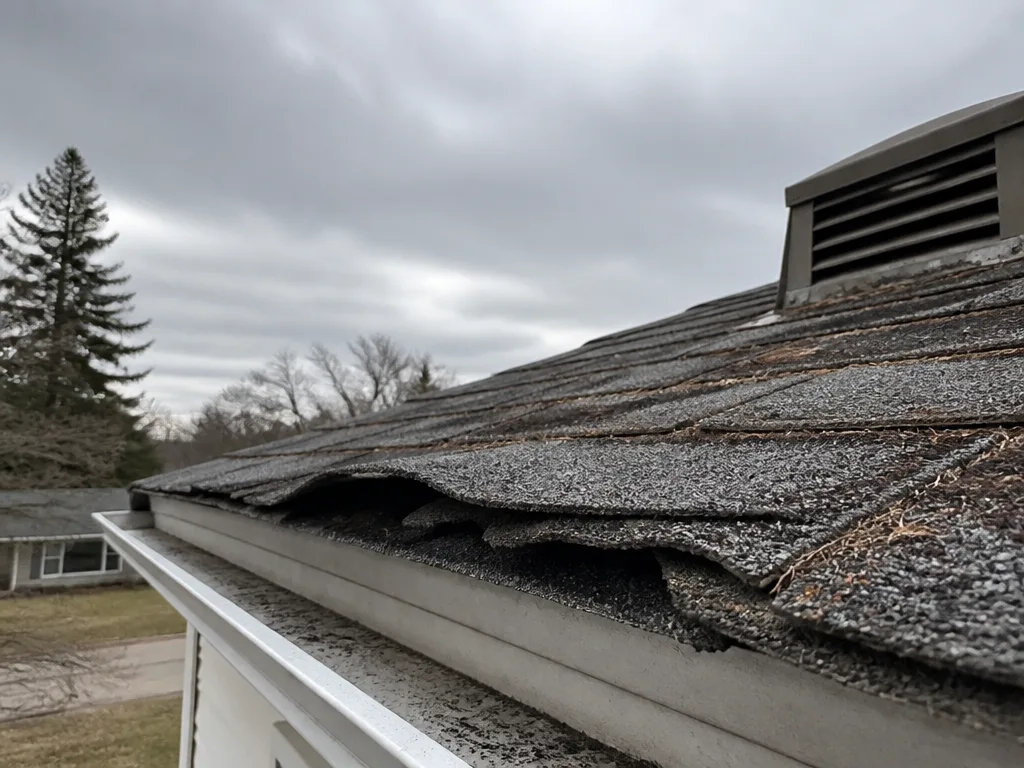
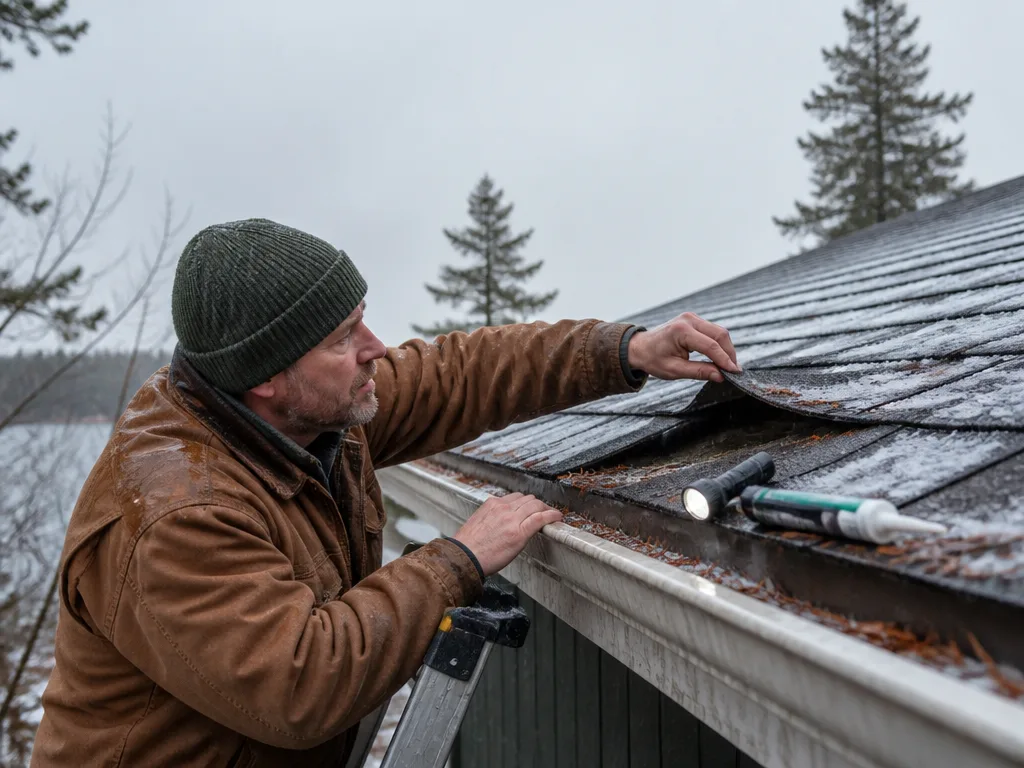
Spring brings thawing and more rain. In Michigan, this is a good time to do a comprehensive roof inspection. Look for shingle damage from ice dams, cracked flashing, and any signs of moisture in the attic after a wet winter. Our roofers in Michigan crews start with a surface check and then move to the attic if needed. A proactive look prevents hidden damage from sneaking up later in the year.
Clean gutters and downspouts to ensure proper drainage as water flow increases. Remove debris built up over the winter. Ensure attic ventilation is not blocked by insulation. Proper ventilation helps control condensation and keeps the roof structure healthy as temperatures rise.
Summer: monitor heat and wind effects
Warm months bring sun exposure and occasional strong winds. Verify that chimney flashing and vent seals are intact. In Michigan, heat can loosen fasteners and adhesives on older roofs. A quick outdoor inspection can spot lifted shingles or loose edges before a storm hits. If you have metal roofing, check for loose screws and inspect for dented panels after hail storms.
Keep an eye on trees around the home. Overhanging branches increase debris on the roof and shield the surface from sun in some spots. Regular trimming reduces the load of organic material that can trap moisture and cause rot over time.
Autumn: prepare for leaves and early cold
Autumn in Michigan means falling leaves and the first hints of cold. Clear leaves from the roof edge and gutters with care. Wet debris can hold moisture against shingles and start degradation. Check attic insulation and ventilation again; cooler temperatures push more energy use for heating, and a balanced roof system helps your home stay efficient.
Plan ahead for winter by inspecting seals around skylights and vents. If you notice daylight through the roof boards or damp spots in the attic after a cold snap, call a roofer for an assessment. Michigan Roof Masters can help you map out a seasonal maintenance plan that fits your home and budget.
Winter: resilience through snow and ice
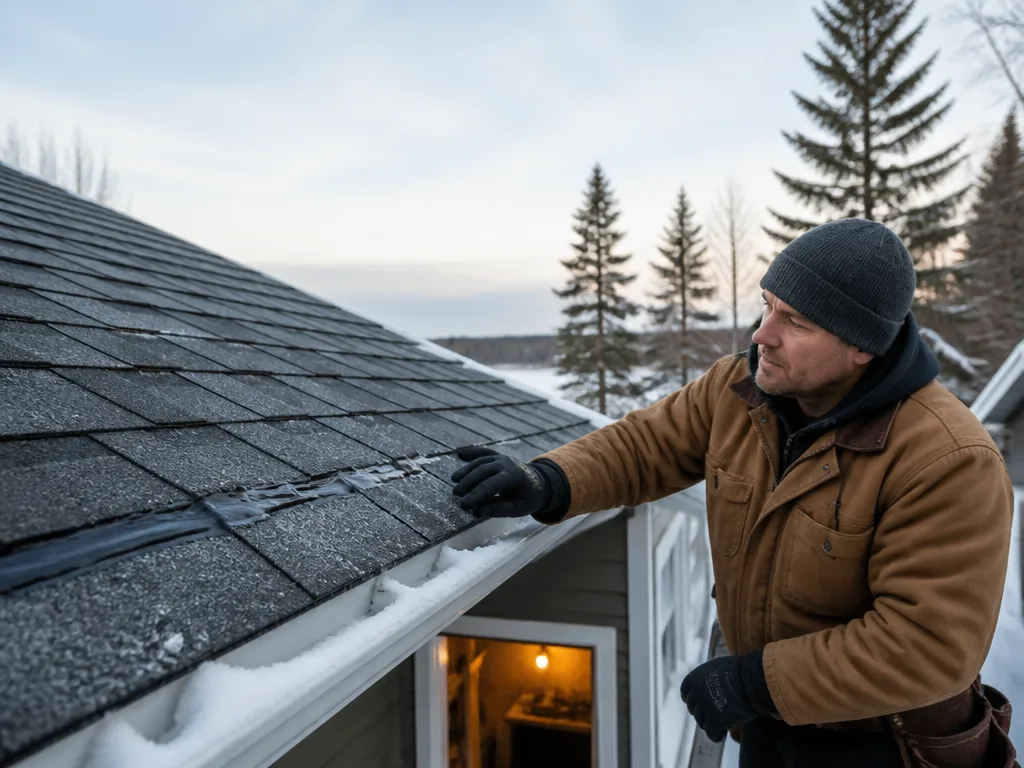
Winter tests a roof with heavy snow, ice dams, and freeze-thaw cycles. Remove snow near critical areas like gutters and vents with a plastic scoop rather than metal tools. Avoid walking on a roof during freezing conditions; slick surfaces can be dangerous and cause more damage. If ice dams form, a professional assessment is usually required to correct insulation and ventilation imbalances that drive damming in Michigan climates.
Maintain a clear path for meltwater and ensure downspouts direct water away from the foundation. A well-maintained roof and proper drainage reduce the risk of water intrusion and interior moisture during Michigan winters.
Bottom line for Michigan homeowners
Seasonal checks, timely maintenance, and a clear plan save money and protect your home. Across Michigan, our crews are ready to inspect, advise, and work with you to keep roofs solid year round. If you’re unsure about how a seasonal change affects your roof, contact Michigan Roof Masters for a practical, no-pressure assessment.